
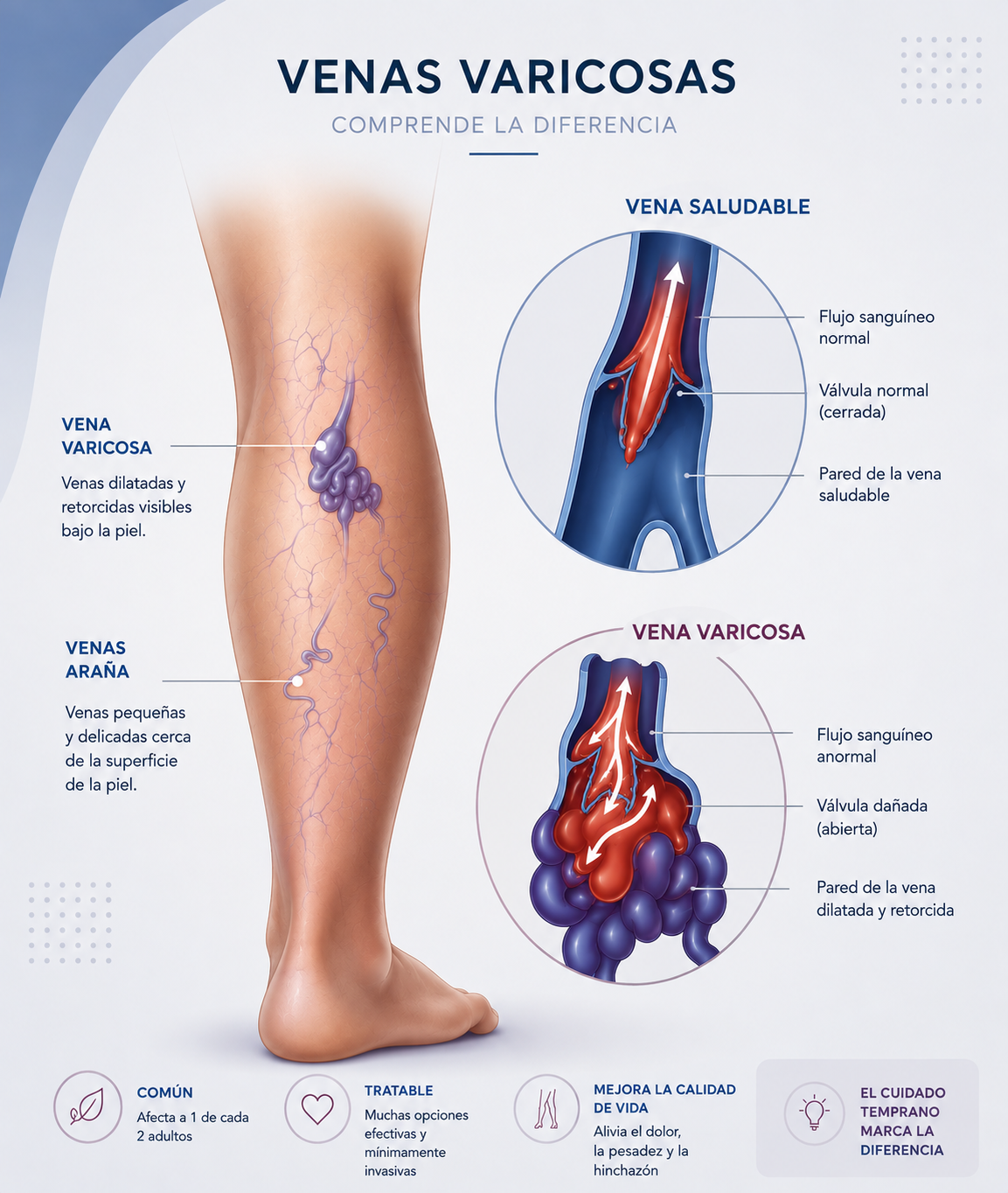
In many cases they are related to venous insufficiency, in which the valves in the veins do not work properly and allow some of the blood to flow back down into the legs, increasing the pressure within the venous system.
Although some varicose veins are mainly a cosmetic issue, others can be associated with symptoms and complications such as heaviness, pain, swelling, skin changes or ulcers.
What is venous insufficiency?
Venous insufficiency occurs when the return of blood from the legs to the heart does not work properly.
The valves in the veins help prevent blood from flowing backwards. When these valves stop working properly, venous reflux, increased pressure and progressive dilation of the veins can occur.
Symptoms may include:
- Heavy legs
- Tiredness
- Pain or discomfort
- Swelling, especially at the end of the day
- Cramps
- Itching
- Visible varicose veins
- Skin changes in more advanced stages
Comprehensive assessment of varicose veins
Before deciding on treatment, it is important to understand how the venous system is working.
The assessment includes a clinical examination and, when indicated, a venous Doppler ultrasound, which identifies the affected veins and determines whether there is reflux or other abnormalities.
The study helps answer important questions:
- What is the origin of the varicose veins?
- Is there insufficiency of a saphenous vein?
- Is there venous reflux?
- Are there any blockages?
- Which treatment may be most suitable?
- Does a main vein need to be treated before the smaller varicose veins?
This planning allows treatment to be tailored to each patient.
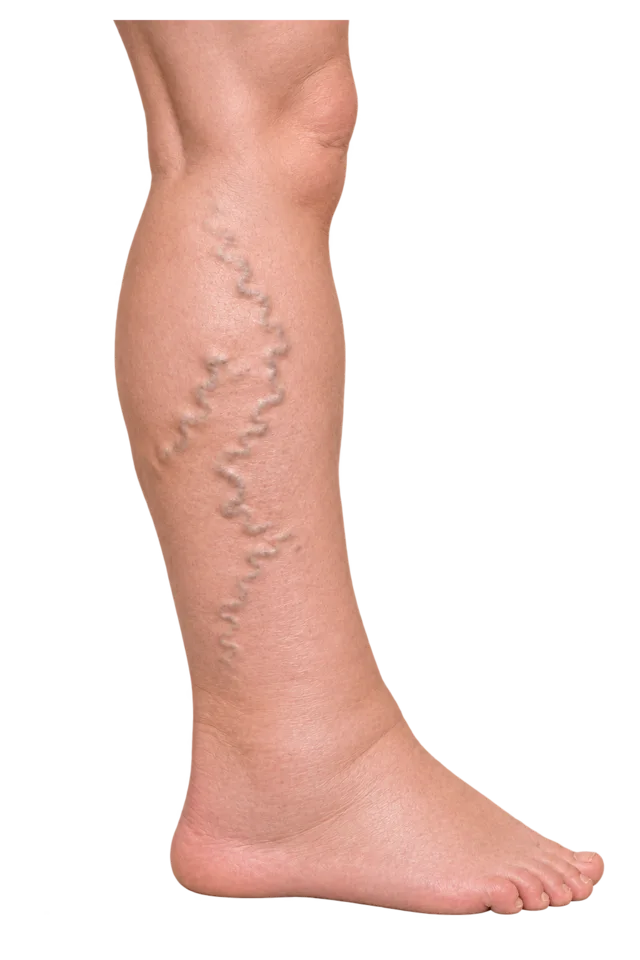
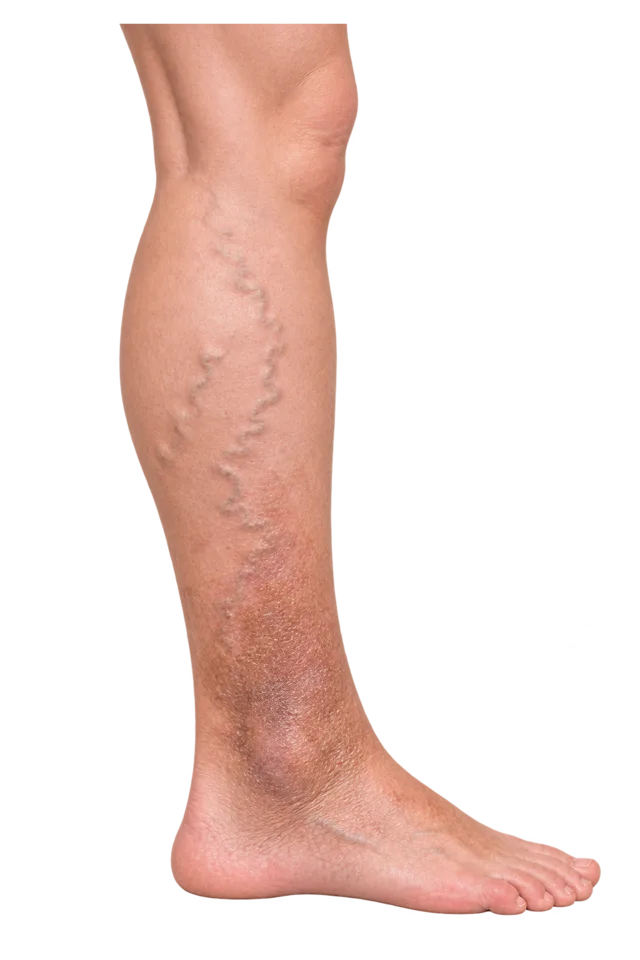
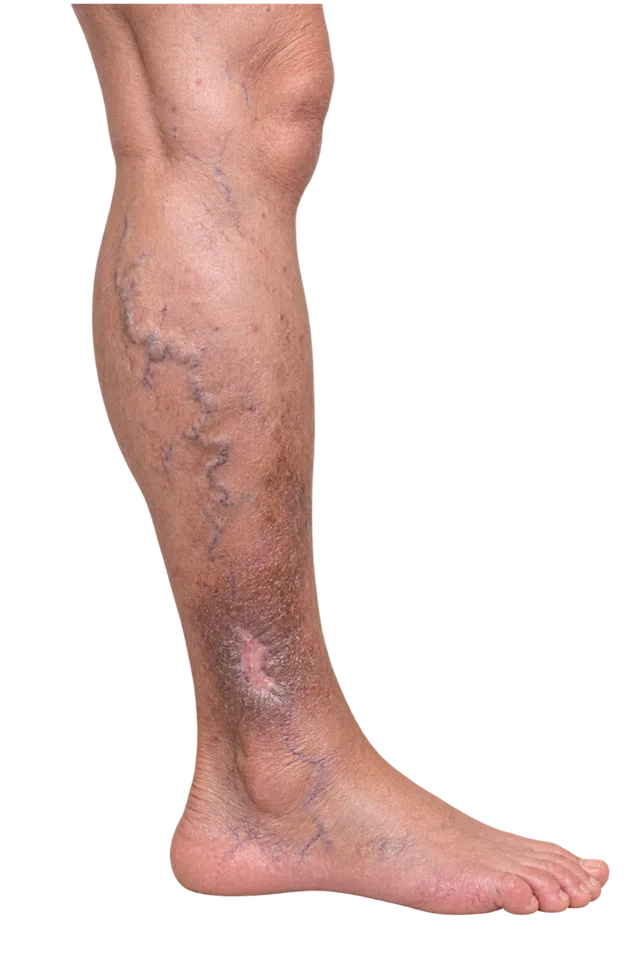
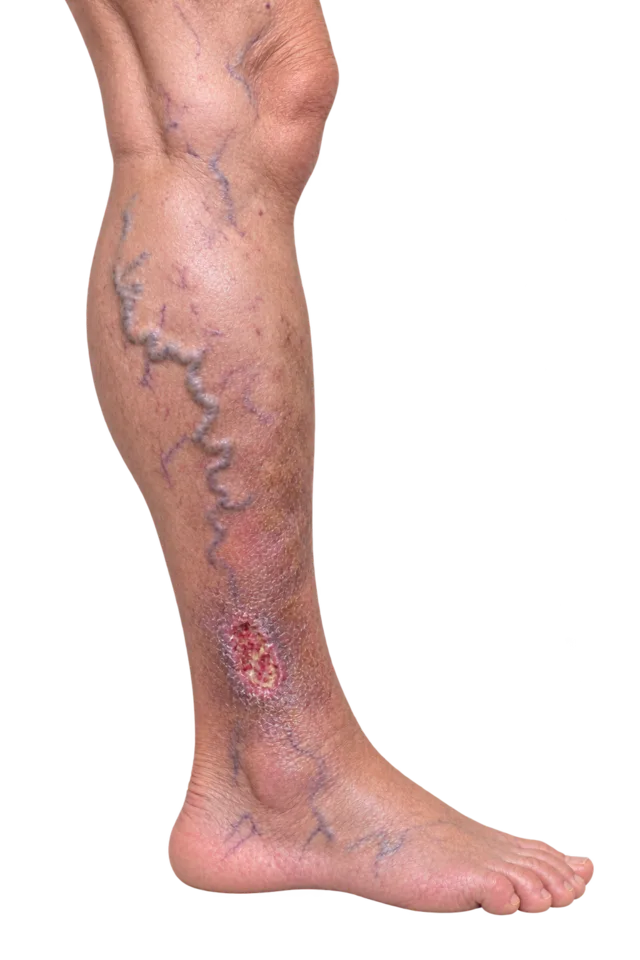
CEAP clinical classification
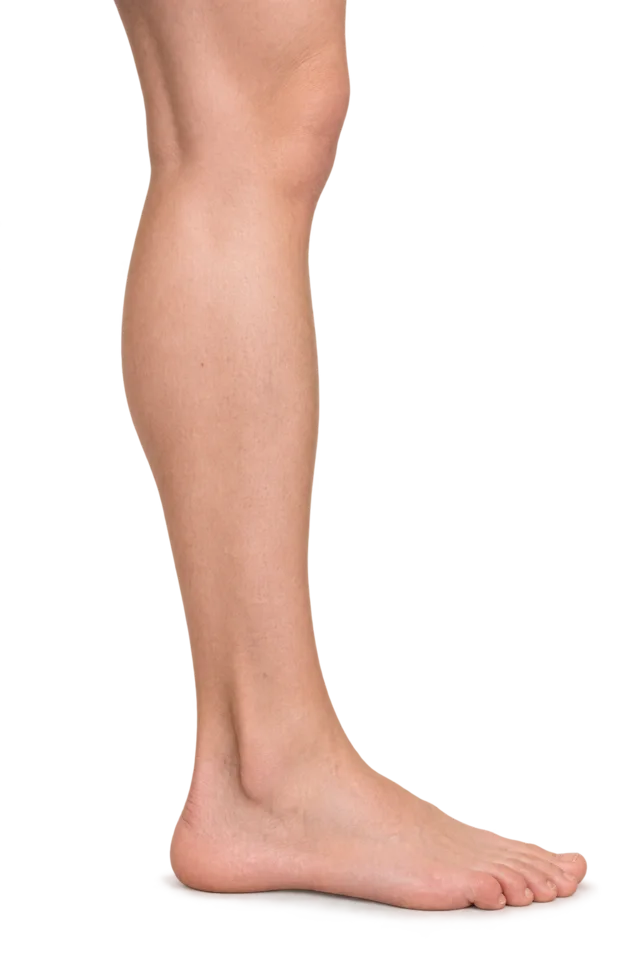
No visible signs
No visible or palpable signs of venous disease.
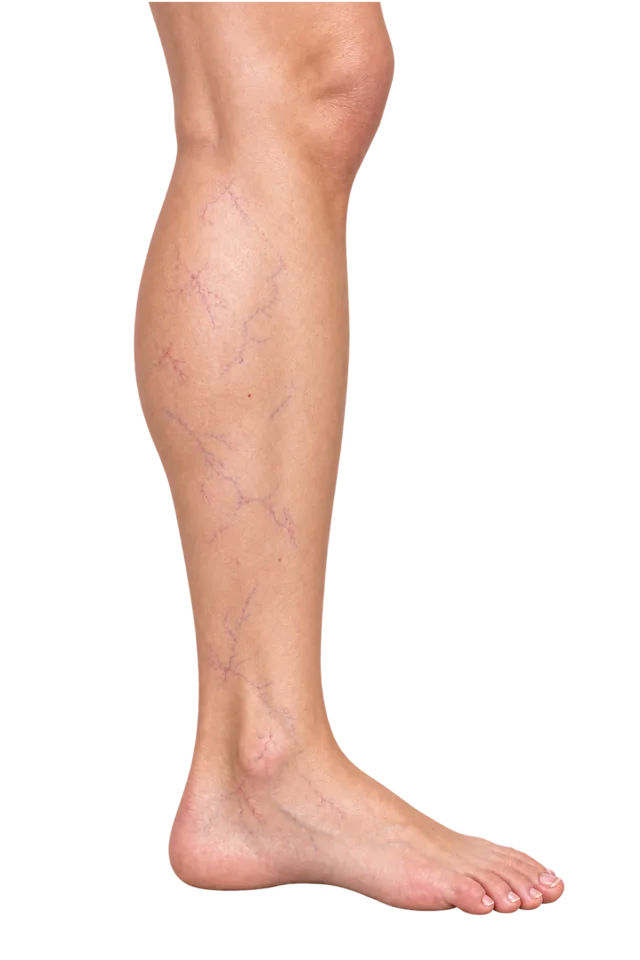
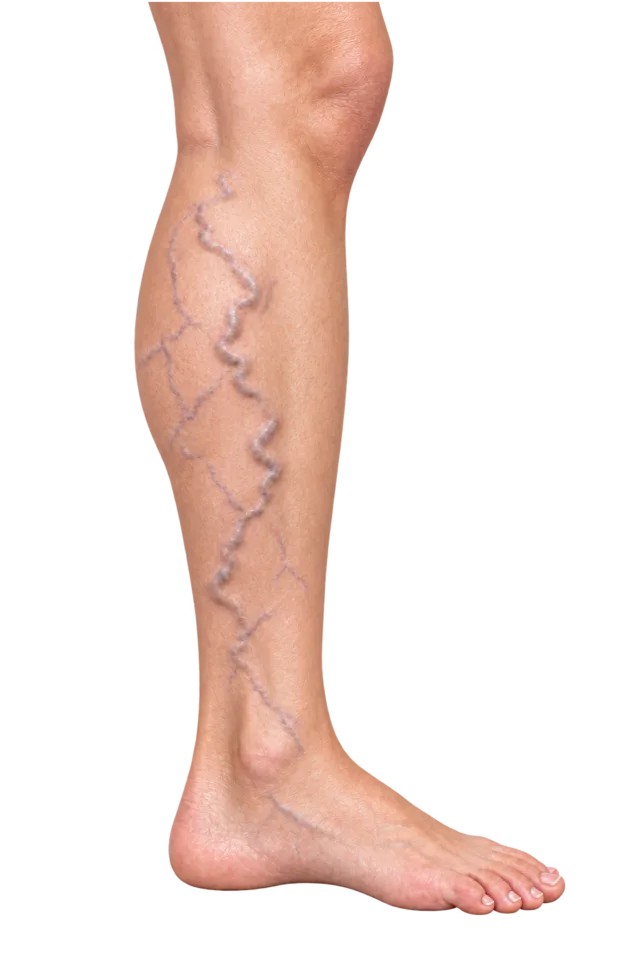
CEAP describes the clinical severity of venous disease. It does not represent an inevitable progression.
Minimally invasive treatment of varicose veins
There are now several techniques for treating varicose veins without the need for conventional surgery.
The choice depends on the size and location of the veins, the degree of venous insufficiency, the anatomy and each patient’s characteristics.
The main options include:
- Radiofrequency ablation
- Endovenous laser
- Sclerotherapy
- Ultrasound-guided microfoam sclerotherapy
- Ambulatory phlebectomy
Radiofrequency ablation of varicose veins
Endovenous radiofrequency ablation is a minimally invasive technique used mainly to treat certain incompetent superficial veins, such as the saphenous veins.
Controlled thermal energy is applied through a catheter inserted into the vein, causing the treated vein to close.
Endovenous laser
Endovenous laser uses laser energy to close certain incompetent veins from the inside.
Like radiofrequency, it is performed through a catheter and allows the vein responsible for the reflux to be treated without having to remove it with conventional surgery.
The choice between laser and radiofrequency depends on several factors, such as the venous anatomy, the characteristics of the vein and the team’s experience.
Sclerotherapy
Sclerotherapy is used mainly to treat smaller varicose veins, reticular veins and certain spider veins.
It involves injecting a sclerosing substance into the vein through a fine needle.
The treatment gradually closes the vessel, which is later reabsorbed by the body.
Several sessions may be needed depending on the extent of the lesions.
Ultrasound-guided microfoam sclerotherapy
Microfoam sclerotherapy combines a sclerosing agent in foam form with ultrasound guidance.
Ultrasound makes it possible to locate the veins to be treated and monitor the delivery of the product.
It can be useful for certain varicose and incompetent veins, especially when treating vessels that are not easily accessible with conventional techniques.
Ambulatory phlebectomy
This technique removes certain superficial varicose veins through tiny incisions in the skin. Very fine instruments are used to extract the dilated vein segments.
It is usually performed under local anaesthetic, and the small incisions typically require minimal stitches or none at all, depending on the technique used. It can be combined with other treatments to achieve a complete result.
Which treatment is best for varicose veins?
There is no single technique that suits every patient.
In some cases sclerotherapy may be enough. In others, a saphenous vein must first be treated with radiofrequency or endovenous laser, and the remaining varicose veins then treated with sclerotherapy or phlebectomy.
Can varicose veins come back?
Treatment closes or removes the affected veins, but it does not prevent new varicose veins from appearing in the future.
Progression depends on factors such as individual predisposition, age, hormonal factors and the progression of venous insufficiency.
For this reason, some patients may benefit from follow-up check-ups and ongoing preventive measures.
Treatment tailored to each patient
Modern treatment of varicose veins makes it possible to use different minimally invasive techniques and combine them when necessary.
At Berkelium Surgical Group we carry out a comprehensive assessment of the venous system through clinical examination and Doppler ultrasound to identify the origin of the varicose veins and select the most suitable strategy.
Our goal is to treat venous insufficiency when present, improve symptoms and deliver a satisfying cosmetic result using techniques such as radiofrequency, endovenous laser, sclerotherapy, microfoam and ambulatory phlebectomy.